imgskit Journal
The Clay Figure Trend Is Taking Over TikTok — Here's How to Get It Right
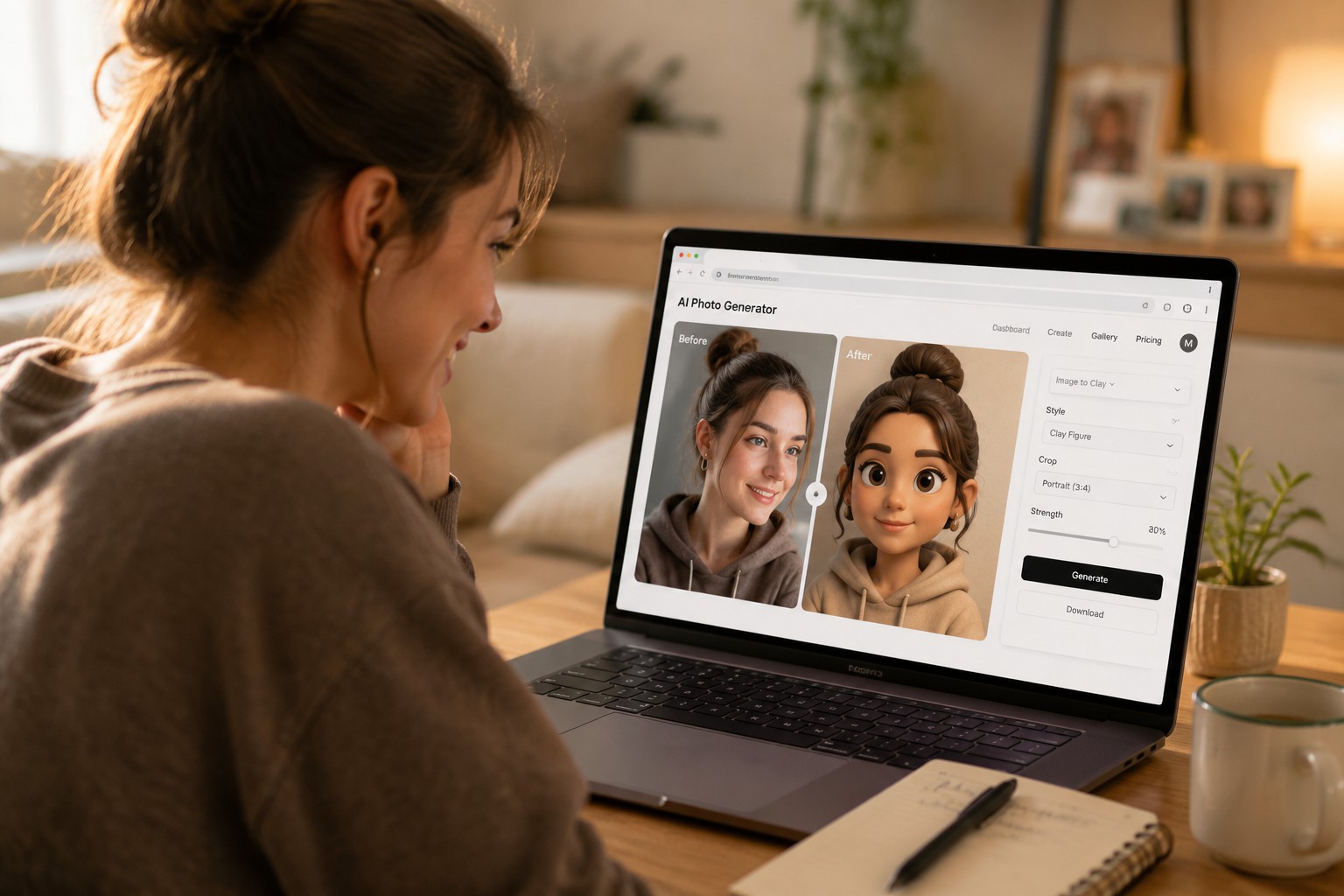
Why does everyone's clay figure look better than mine?
You've seen it. You open TikTok, and there it is again — a friend, a stranger, a celebrity, all turned into a squishy little clay figure with fingerprint dents and a goofy grin. It looks handmade, a little imperfect, oddly comforting. So you try it yourself. Maybe you download three different filter apps, maybe you spend twenty minutes typing prompts into a random generator, and what comes back looks... plastic. Waxy. Nothing like the ones that made you stop scrolling in the first place.
That gap between "what I imagined" and "what I got" is exactly why the clay figure trend has such a strong pull right now. It looks effortless in other people's hands and strangely difficult in your own. You're not doing anything wrong — you just haven't found the right tool yet, and that's what this post is here to fix.
What actually makes the clay figure trend work
Before jumping into tools, it helps to know what your eye is responding to. The best clay figure edits share three things: soft, slightly uneven surfaces (real clay is never perfectly smooth), warm studio-style lighting, and exaggerated but still recognizable features — a bigger head, rounder cheeks, a pose that feels playful rather than stiff.
Most basic filters skip all three. They just slap a plastic texture over your face and call it done, which is why the result feels flat instead of charming. The texture is the whole trend — get that right and everything else follows.
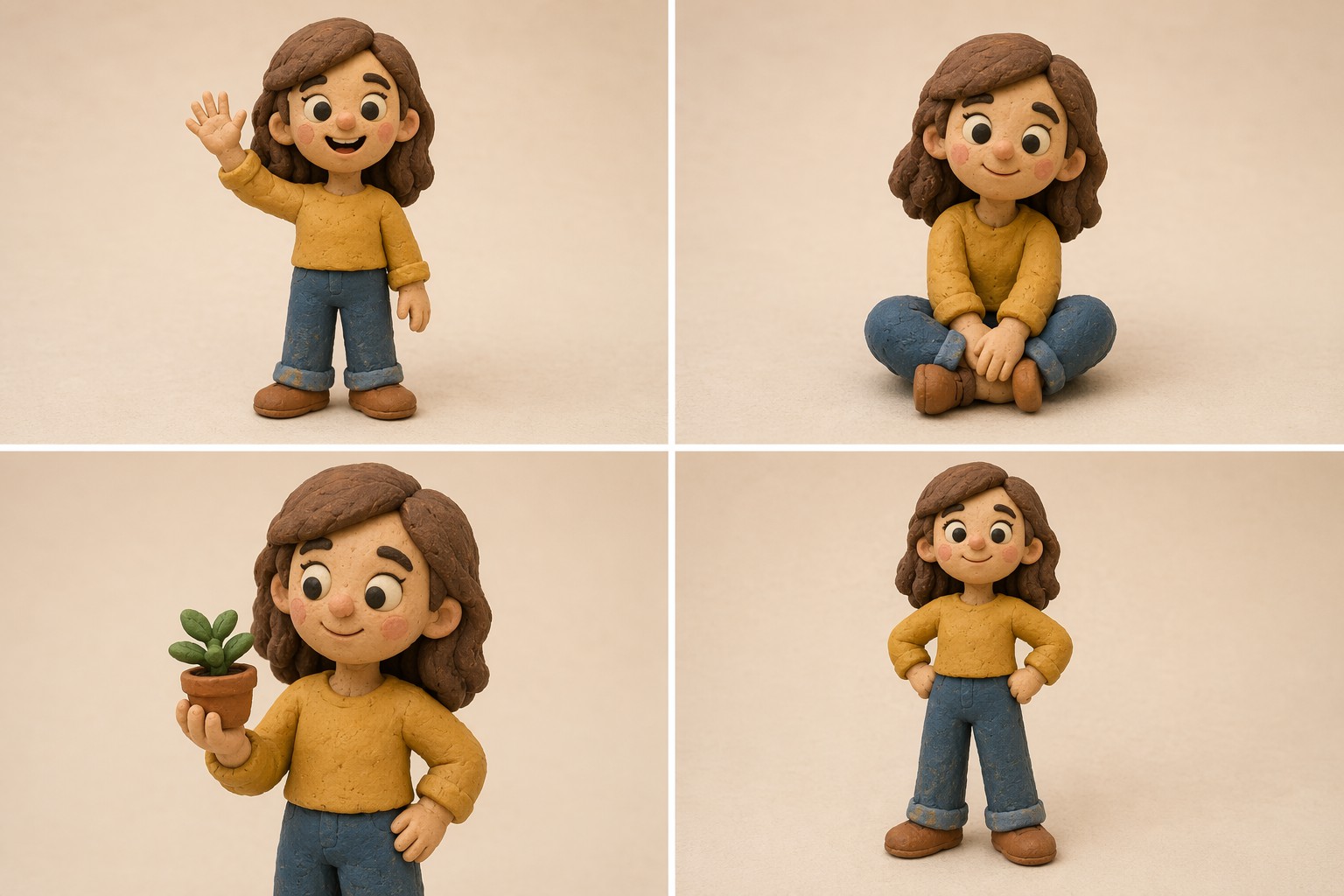
Why an AI clay figure generator beats DIY sculpting and basic filters
Here's the honest version: real clay sculpting takes hours and actual skill with polymer clay. Basic camera filters take thirty seconds but can't simulate texture, shadow, or proportion changes — they're built for face-tracking, not full stylistic transformation.
An AI clay figure generator sits in the sweet spot between the two. It understands lighting, surface texture, and proportion the way a sculptor would, but it works from a single selfie in under a minute. That's really the appeal of this whole wave of AI photo trends: you get a handcrafted look without the handcraft.
If you want to skip the trial-and-error entirely, this is where our AI clay figure generator comes in — upload one clear photo, and it handles the texture, lighting, and proportions for you, so you're not stuck rerunning the same flat filter five times hoping for a better result.
How to make a clay figure photo that actually looks good
If you want to try it yourself, a few small adjustments make a big difference:
- Start with a well-lit, front-facing photo. Harsh shadows confuse the texture generation and flatten your features.
- Keep the background simple. A busy background pulls attention away from the figure itself.
- Describe the pose, not just the style. "Sitting cross-legged, waving" gives a much more alive result than just "clay figure."
- Ask for visible texture details — fingerprint marks, slightly uneven edges, a matte (not glossy) finish. This is the detail most people forget, and it's the one that sells the whole look.
Once you have a version you like, save a high-resolution copy before you post — trend-chasing platforms tend to compress images hard, and clay texture is exactly the kind of detail that gets lost first.
Clay filter selfie tips for a more realistic finish
A few extra touches separate a good clay filter selfie from a great one. Warm, slightly golden lighting reads as "handmade" far more than cool white light. Small imperfections — an asymmetrical smile, a slightly tilted head — read as charming rather than sloppy, because that's exactly how real clay figures look. And props help more than you'd expect: a tiny clay coffee cup or a miniature pet next to your figure instantly makes it feel like a scene instead of just an edited photo.
None of this requires design skill — it just requires knowing what to ask for.
Common questions about the clay figure trend
Do I need a professional photo to start? No. A clear, well-lit selfie from your phone works fine. Avoid heavy shadows and busy backgrounds, and you're set.
Is this the same as the figurine or action-figure trend? They're cousins, not twins. The figurine trend usually shows a full-body plastic collectible in packaging, while the clay figure trend leans into a softer, handmade, slightly imperfect texture — think claymation, not toy store shelf.
Can I use a photo of my pet or a couple photo? Yes, and pet versions in particular have been getting strong engagement lately. Couple and family versions work well too, since the "handmade" feel suits a warm, personal image.
Will it look different every time I generate it? A little variation is normal and part of the charm — even real clay figures made from the same reference photo would never turn out identical.
The takeaway
The clay figure trend isn't hard to get right — it just rewards a little bit of know-how about texture, lighting, and pose that basic filters don't offer. Once you understand what makes the look work, the fastest path there is letting an AI clay figure generator handle the technical part while you focus on the fun part: picking the pose, the props, and the personality you want your little clay self to have. Ready to see your own version? Try our AI clay figure generator and turn your next selfie into the post that stops the scroll.